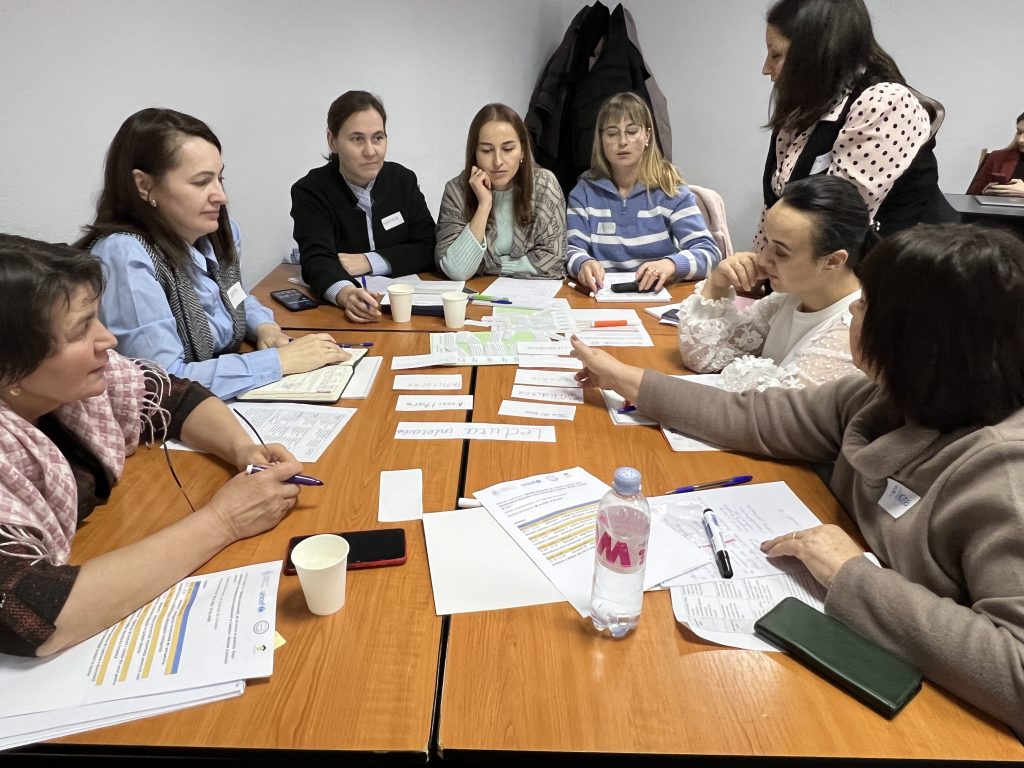
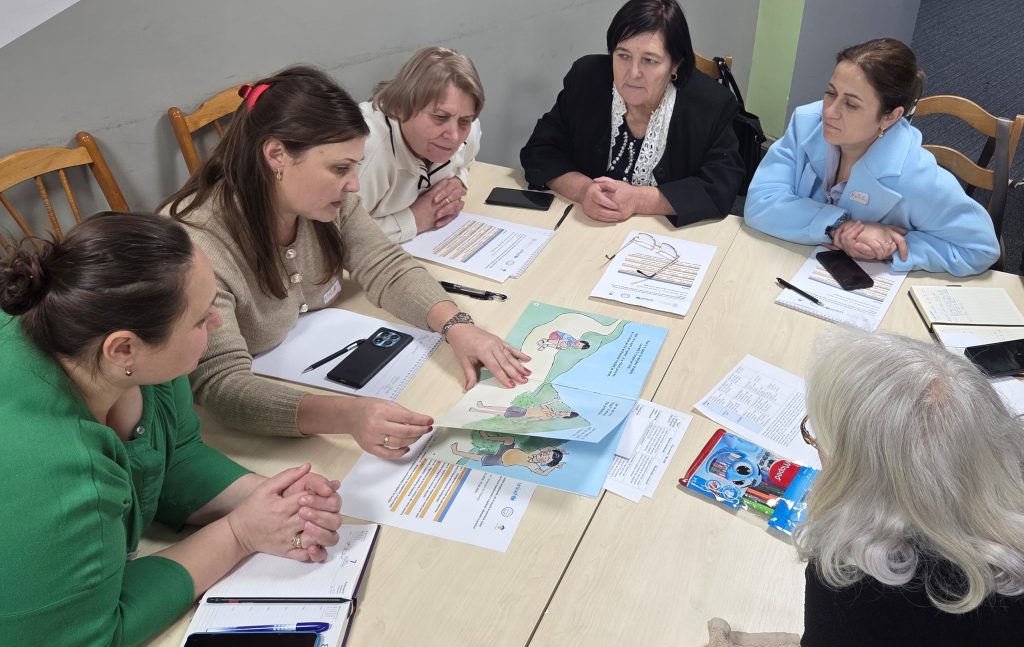
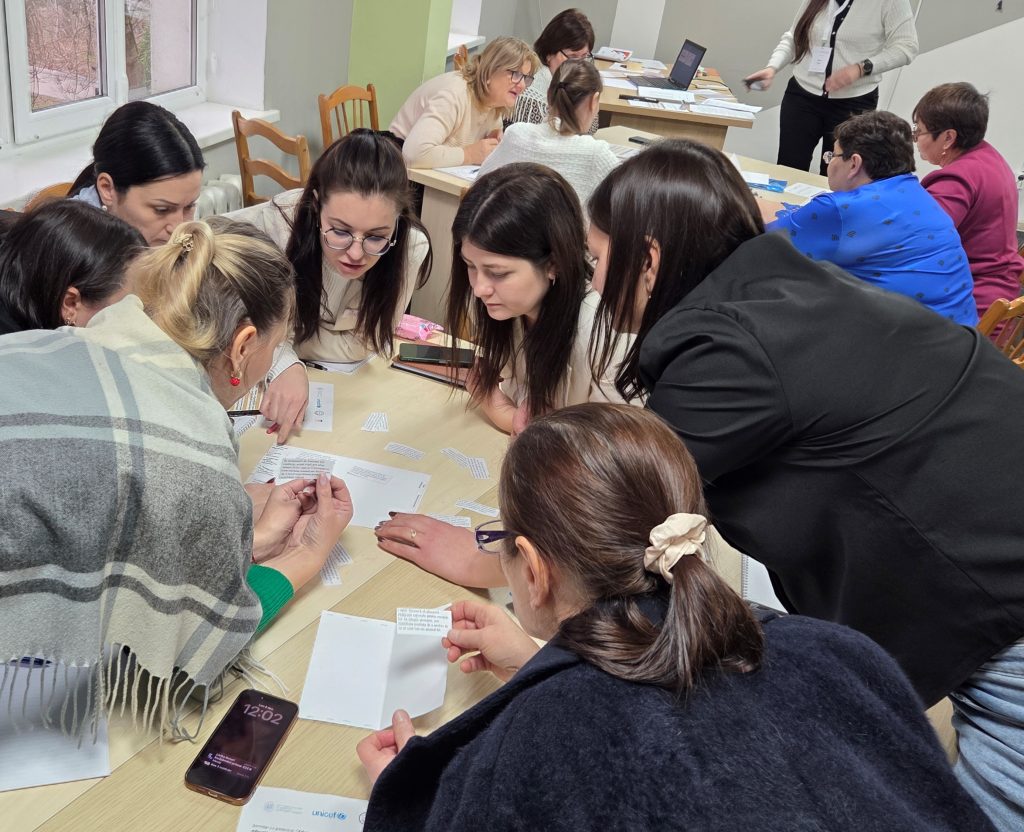
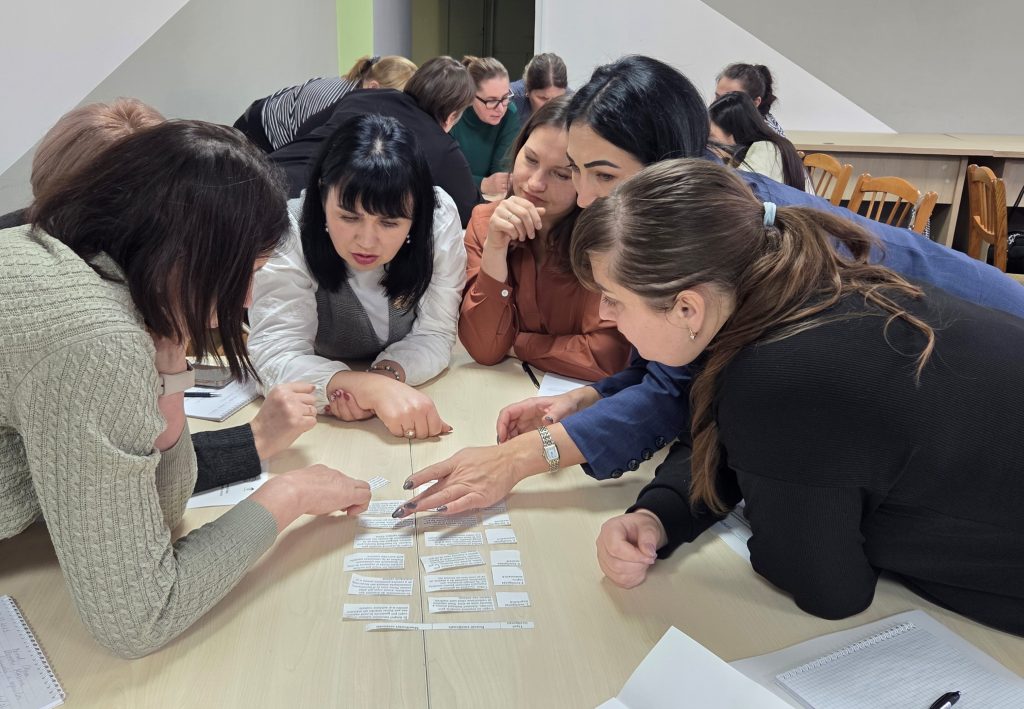
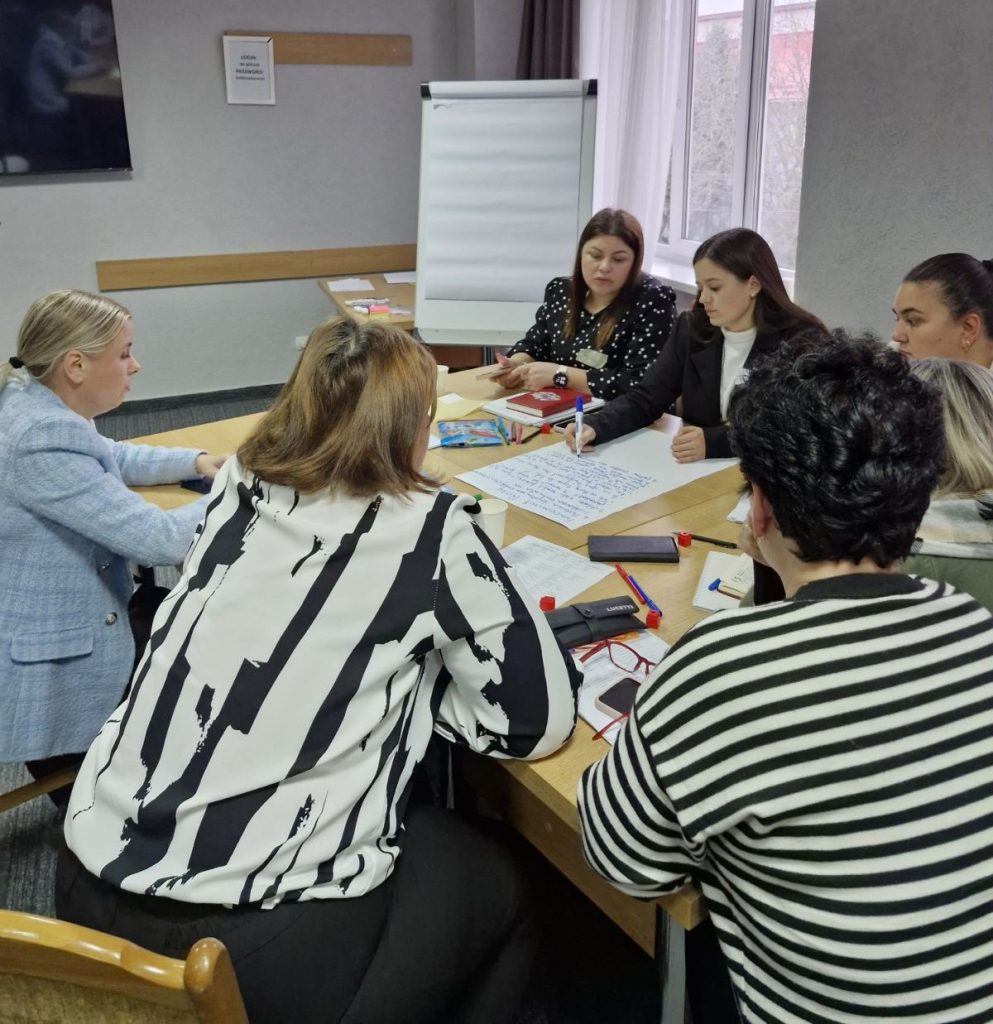
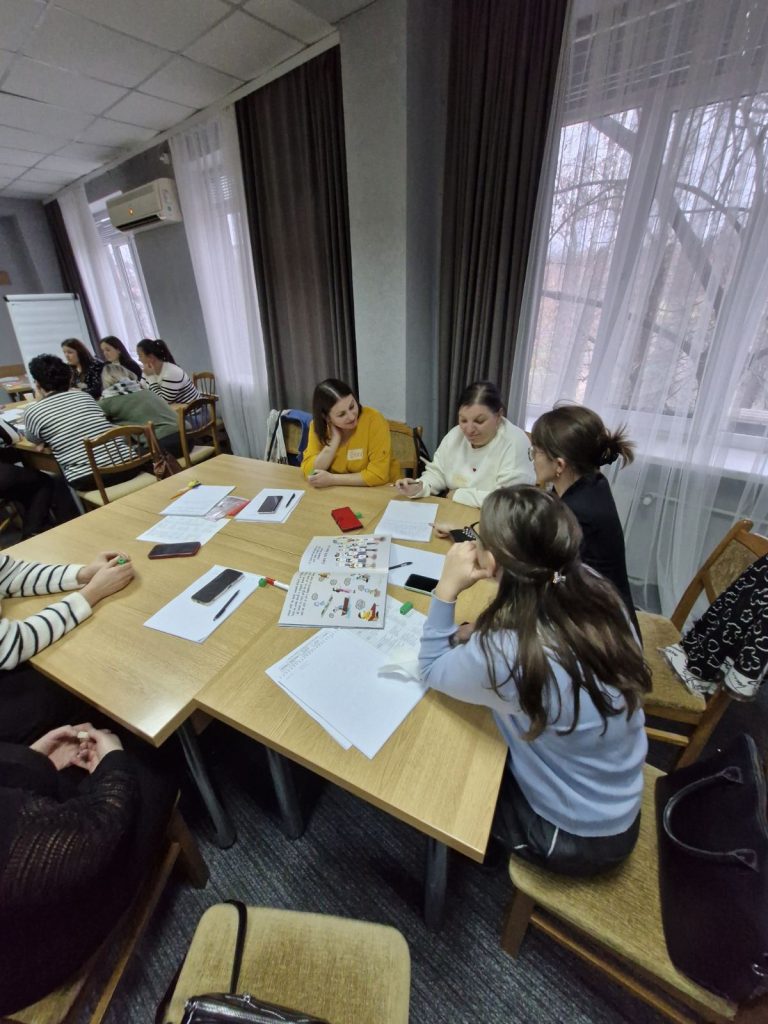
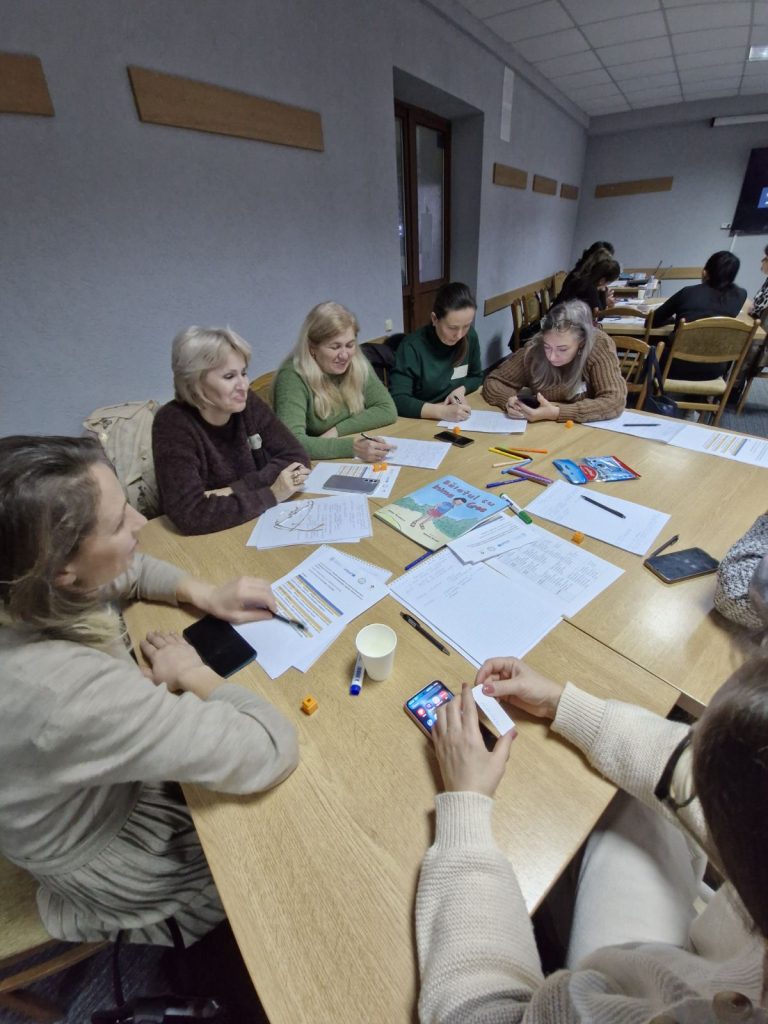
Emotional education – a national priority. Hundreds of educators from across the country are taking part in seminars held in Chișinău.
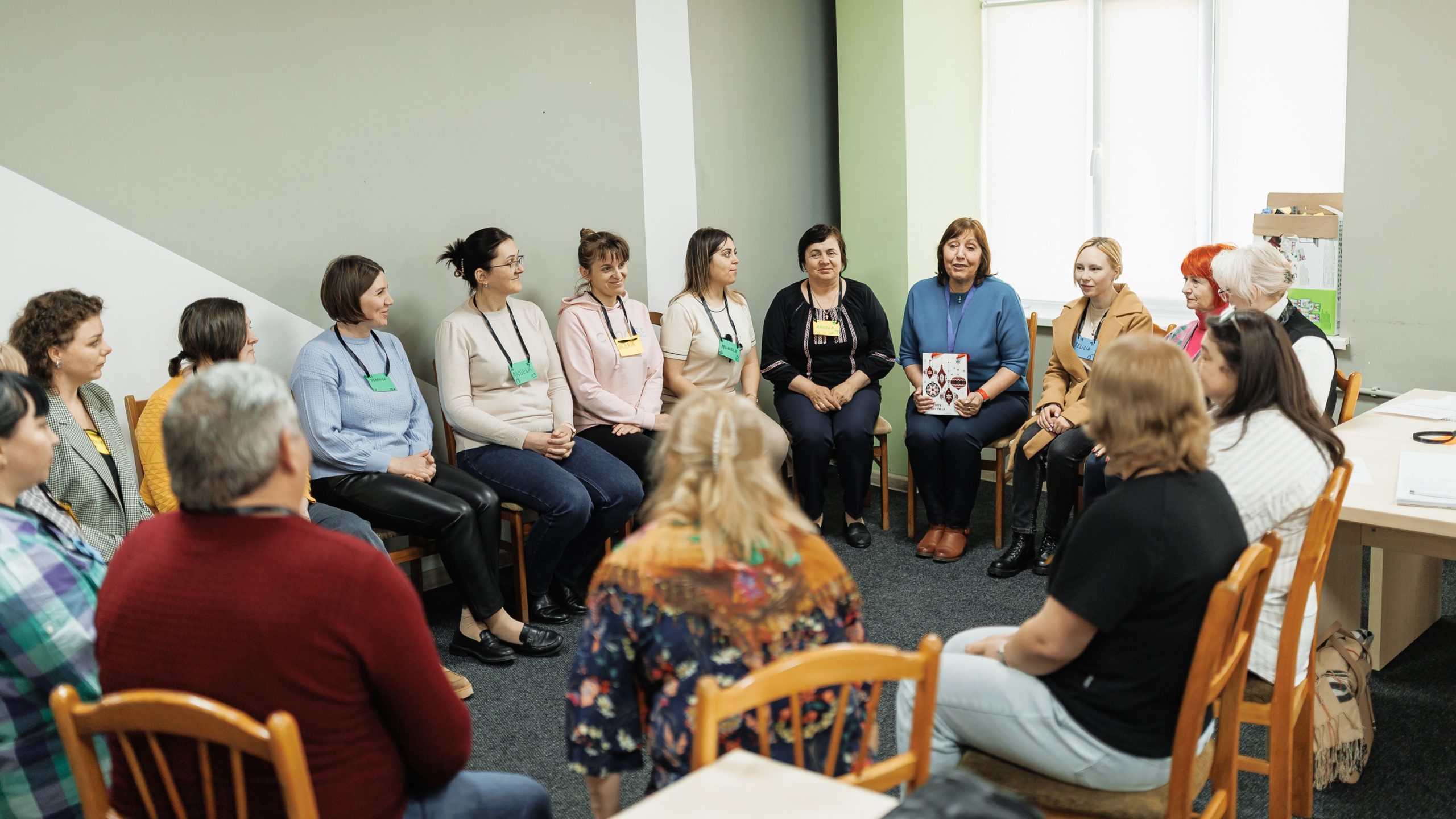
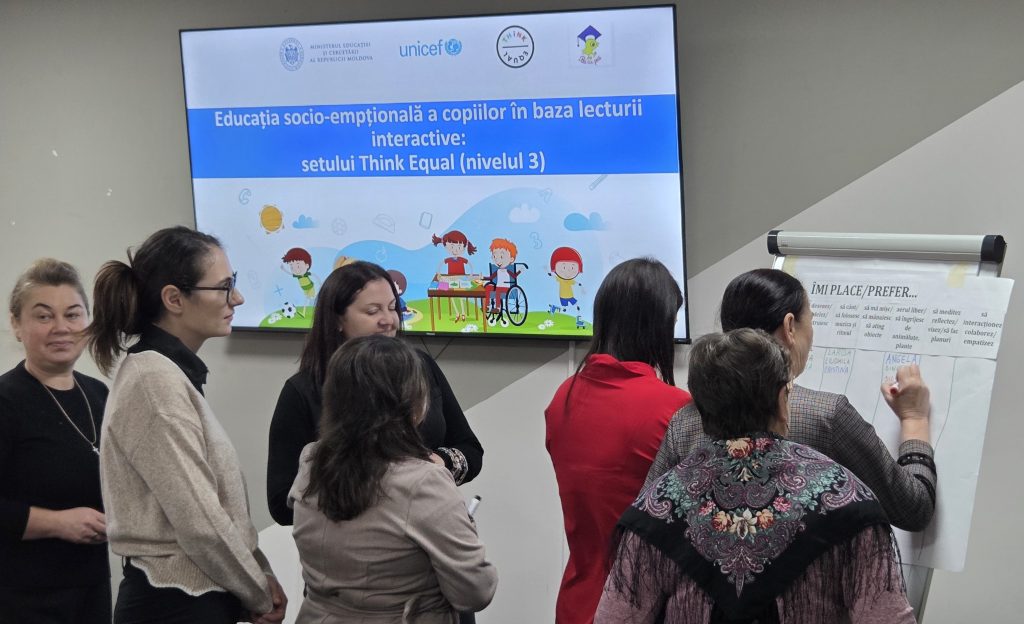
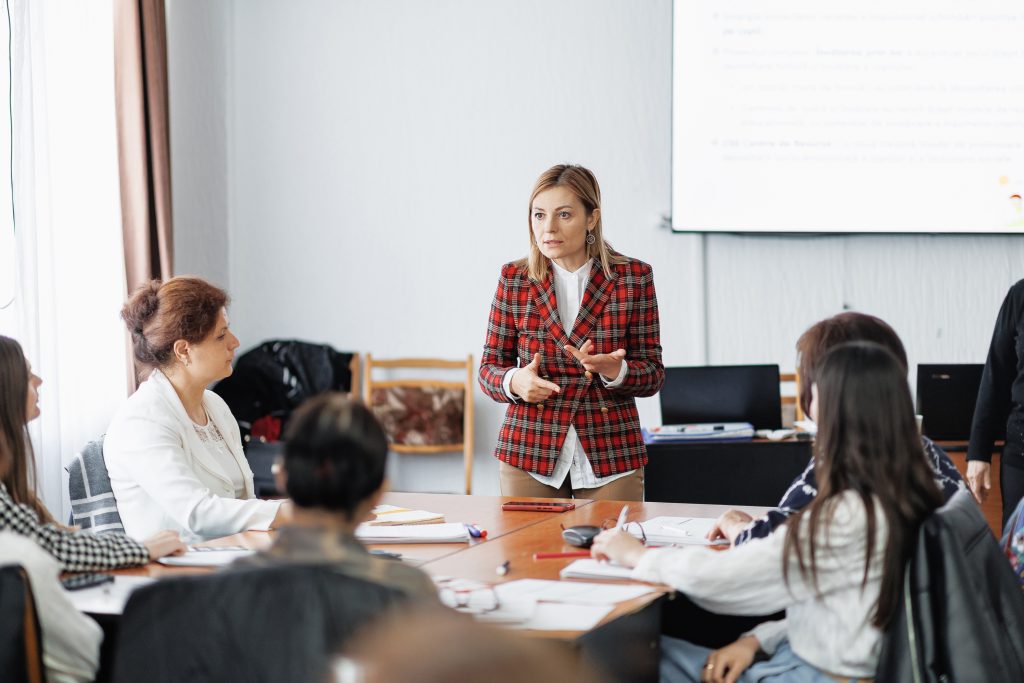
Between 28 November 2025 and 27 February 2026, the “Step by Step” Educational Program, in partnership with the Ministry of Education and Research, UNICEF, and Think Equal, is implementing in Chișinău a large-scale national training program for preschool educators from early childhood education institutions across the Republic of Moldova. Dozens of groups, with participants from all districts of the country, are scheduled to take part in these training sessions, which aim to strengthen professional competencies in the field of children’s socio-emotional development.
A training program built on balance, practical application, and professional reflection
Each seminar day is designed to provide educators with:
- a clear understanding of the theoretical principles underlying children’s socio-emotional development;
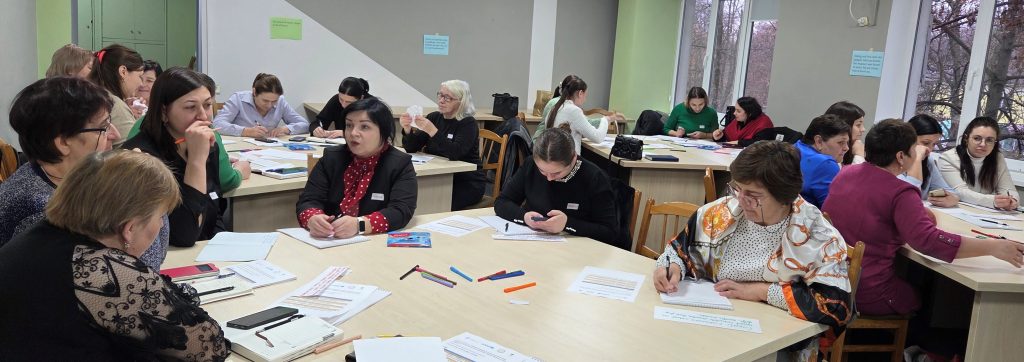
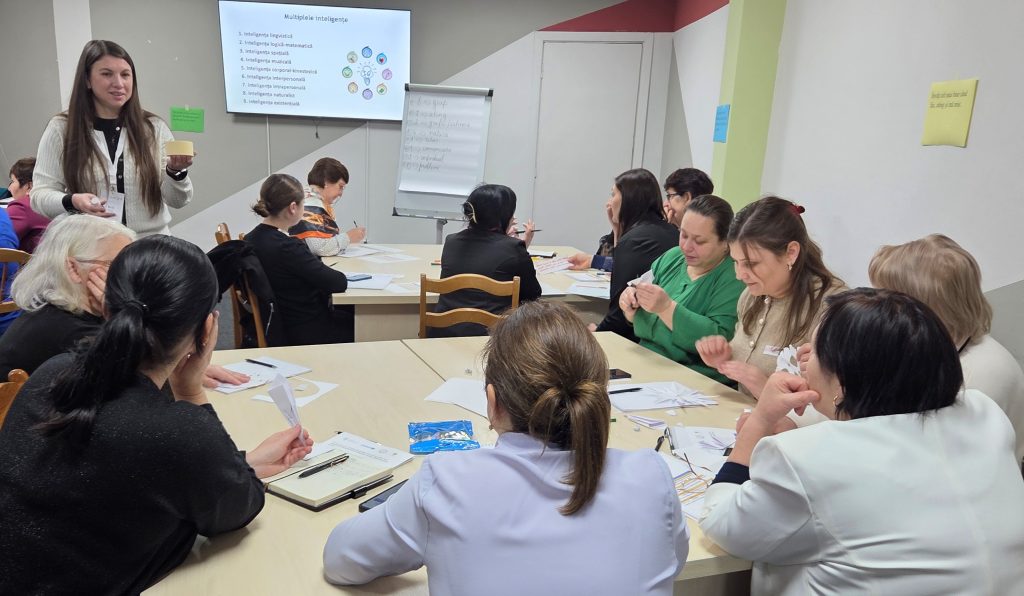
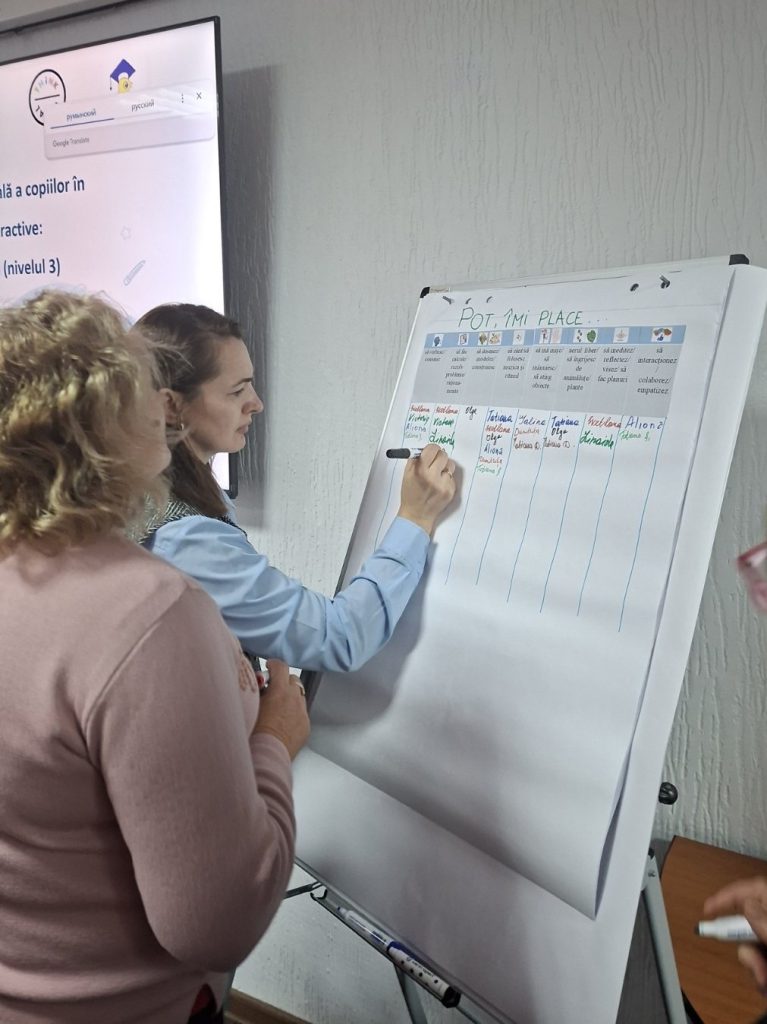
- hands-on experiences through group activities, practical exercises, and guided discussions;
- an integrated perspective on how reading, dialogue, observation, and reflection can be used to support children’s development;
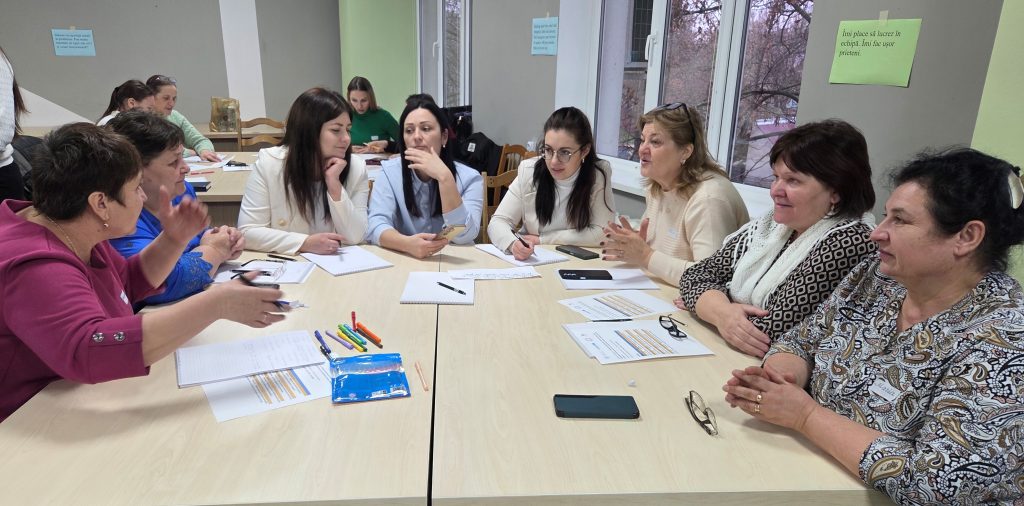
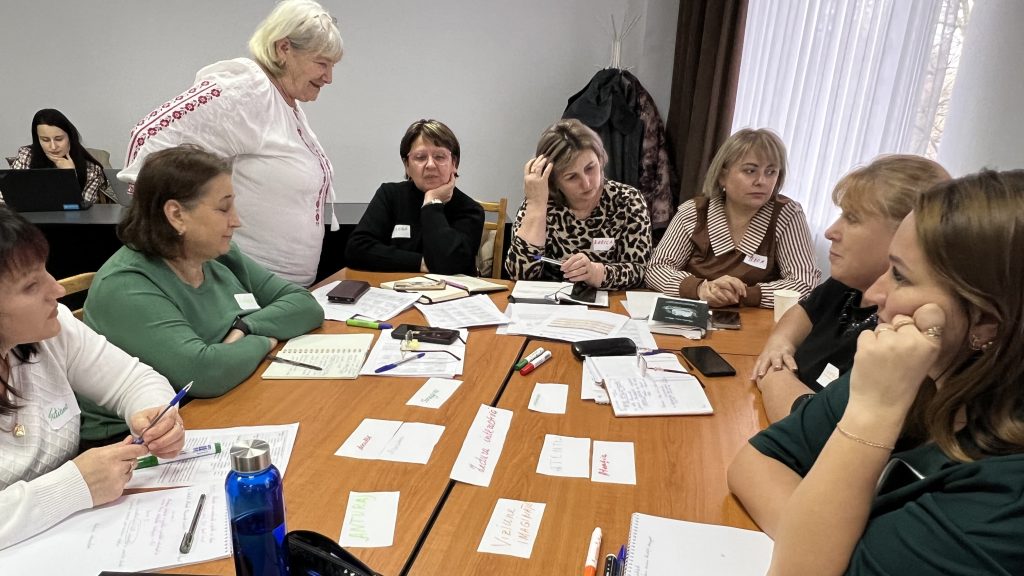
- opportunities for experience sharing, discussion of real-life challenges from classroom practice, and identification of practical, age-appropriate solutions.
Participants explore the concept of socio-emotional development from a holistic perspective, discovering ways to support children in recognizing emotions, managing difficult situations, cooperating, developing empathy, communicating effectively, and building healthy relationships. Theory is consistently connected to classroom realities, while practical activities facilitate immediate transfer into daily practice.
Key topics addressed during the seminars
Although each session is adapted to the pace and level of the group, training reports highlight several common areas of strong interest among educators:
1. Understanding the child through a holistic approach
Participants reflect on how to observe children’s behavior more attentively, identify their emotional needs, and adapt activities to support each child’s individual development.
2. Balance between theory and practice
Educators value the accessible presentation of theory linked to examples from their own work, while practical workshops provide space to test ideas, design appropriate tasks, and learn from one another.
3. The importance of empathetic communication
A strong emphasis is placed on the educator’s role as a model of emotional self-regulation, as well as on the importance of open, calm, and respectful communication.
4. Collaboration with families
Participants discuss ways to involve parents more effectively in educational processes and to support consistency between the home environment and the kindergarten setting.
5. The need for continuity and deeper learning
Many educators express interest in additional sessions, longer-term training programs, or the creation of local learning communities to support the exchange of good practices.
A professional and open training atmosphere
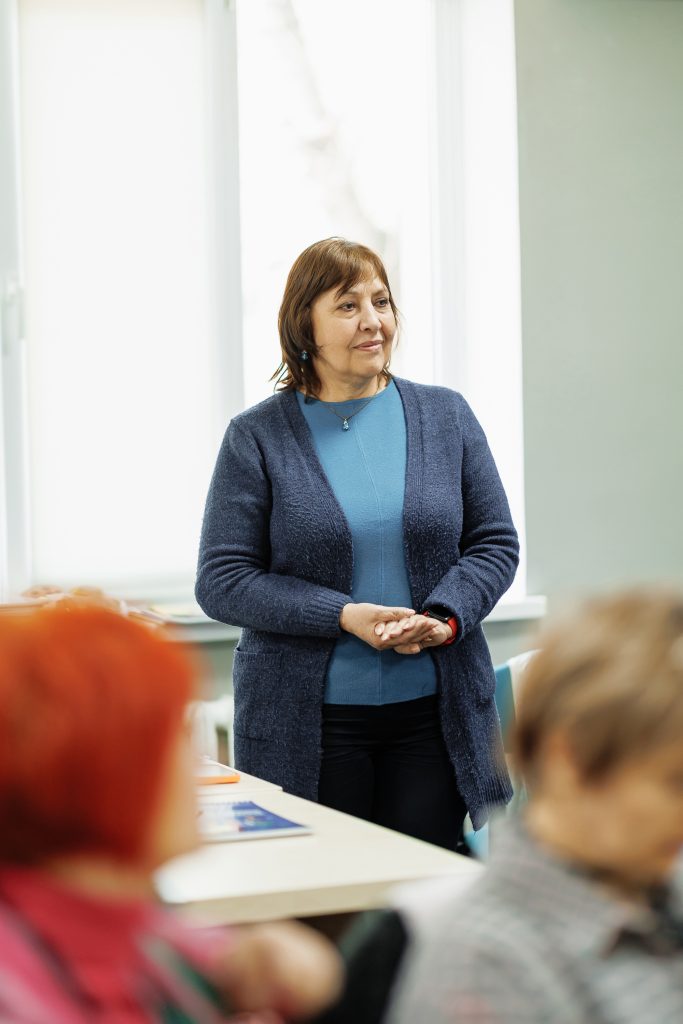
Observations and participant feedback indicate that each training session is characterized by:
- consistent engagement and a genuine desire for professional development;
- collaboration among educators from different localities and institutions;
- constructive discussions about real classroom challenges;
- openness to change and innovation in daily practice.
Some participants note that the day passes “extremely quickly” due to the dynamic pace and interactive activities, while others say they leave “motivated, inspired, and with many new ideas to put into practice.”
A national initiative for the benefit of children
This national training program, implemented in partnership with the Ministry of Education and Research, UNICEF, and Think Equal, contributes to strengthening educators’ capacity to support children’s emotional development—an essential area for children’s well-being and for high-quality early childhood education.
Training sessions for preparatory group educators were delivered by the “Step by Step” Educational Program, in partnership with the Ministry of Education and Research, UNICEF, and Think Equal, with financial support from the Government of Norway.